Buick emblem


EV Directory > Buick Portfolio


Buick EV Portfolio
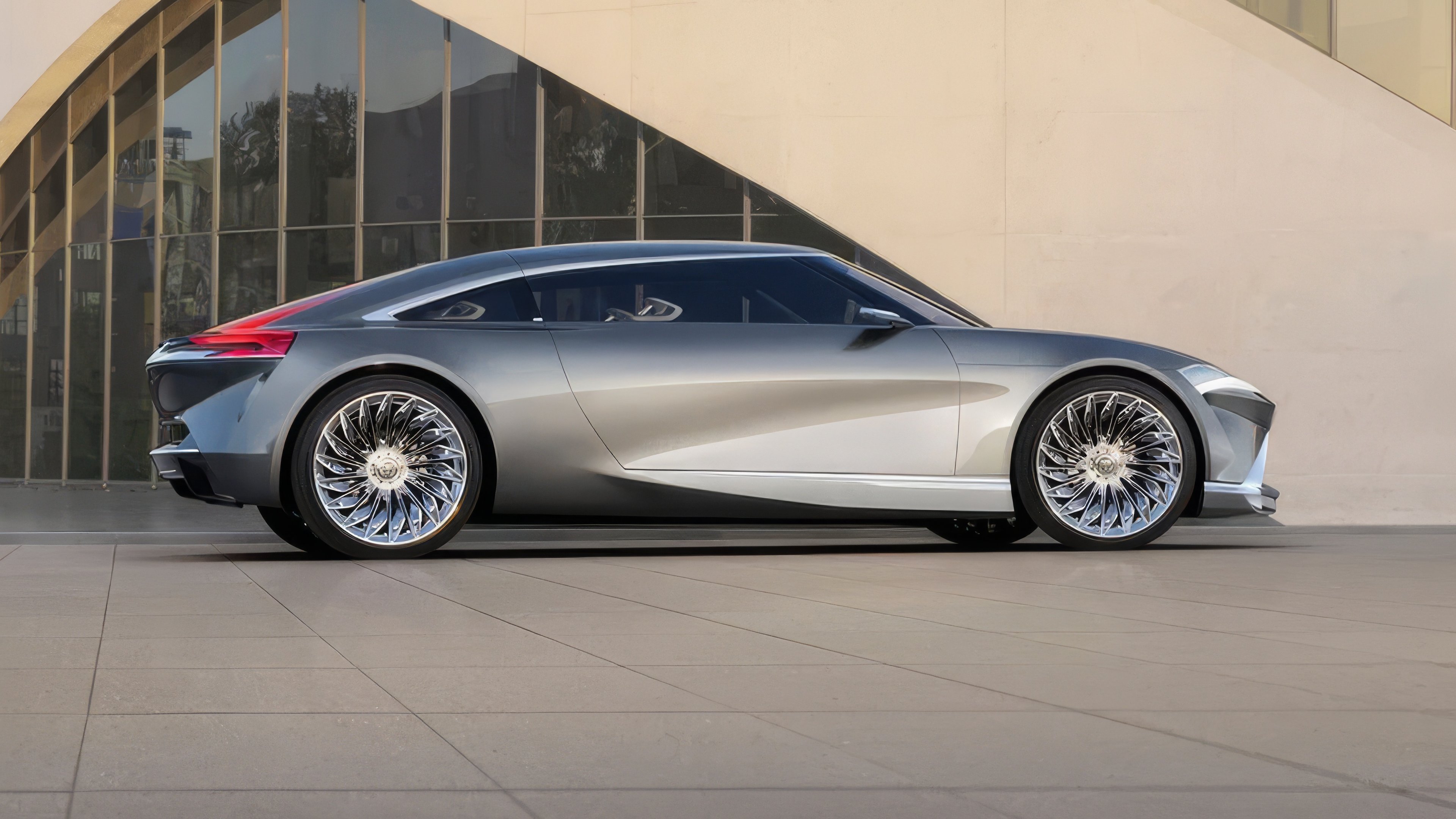

Buick brand EVs

Buick is an EV brand owned by General Motors (GM) and made in USA. This model portfolio showcases the shift toward zero-emission mobility.

Vehicles are organized by model family. A model family is an OEM-defined product program sharing a common platform, architecture, and market positioning, from which multiple body styles, variants, and trims are derived.


Buick EV Model Families

List of Buick EV model families - only all-electric (BEV) models are listed:

Canonical Model Variants Style
Buick Electra E4 SUV
Buick Electra E5 SUV
Buick Electra E6 SUV
Buick Velite 6 wagon


Buick EV Technology

Platform: Dedicated EV, 400V-dominant
E/E Architecture: Baseline
OTA Capability: Baseline
Battery Suppliers: Ultium
Power Inverter Tech: SiC-based

Platform = level of vehicle platform maturity or advancement, and its dominant system voltage.
Shared = ICE-derived | Dedicated = EV-native platform | SDV-Native = future-proof

E/E Architecture: degree of integration and maturity of the vehicle’s electronic/electric control systems (from Baseline legacy wiring to Advanced domain/zonal designs).
Baseline = Distributed ECUs | Modern = Domain-based | SDV-Native = Zonal-based with central compute

OTA Capability = scope of Over-The-Air updates supported — from Baseline basic infotainment to Advanced control and systems firmware.
Baseline = Infotainment/maps | Limited = Infotainment+ | Partial = Multiple systems | Advanced = Most systems | Full = Full-vehicle updateable

Battery Suppliers = primary traction battery suppliers across the model lineup.

Power Inverter Tech = power electronics technology used (silicon carbide SiC vs silicon), which affects efficiency and thermal performance.
IGBT = Conventional | SiC = High-efficiency | GaN = Next-generation, pilots


About Buick

BMW, short for Bayerische Motoren Werke AG, is a German premium automobile manufacturer headquartered in Munich and recognized globally for engineering innovation, performance, and precision design. Founded in 1916, BMW began as an aircraft engine producer before transitioning into motorcycles and automobiles, eventually becoming one of the world's most respected luxury automotive brands. Its long standing reputation for dynamic driving and advanced technology continues to define the company's transition into electrified and digital mobility.

BMW's electric journey began with the launch of the BMW i sub brand in 2011, introducing pioneering models such as the i3 hatchback and i8 plug in hybrid sports car. These vehicles showcased the company's expertise in lightweight carbon fiber construction, efficient electric drivetrains, and sustainable materials. Today, BMW's electrification strategy is anchored by its fifth generation eDrive technology, featured across a growing lineup including the i4, i5, i7, iX1, iX3, and iX flagship SUV, all offering advanced range, fast charging, and intelligent energy management.

The company's flexible CLAR and FAAR platforms allow the production of combustion, hybrid, and fully electric vehicles on the same assembly lines, optimizing manufacturing efficiency. BMW's upcoming "Neue Klasse" architecture, set to debut in the second half of the decade, represents the next step in its transformation, combining new battery cell formats, 800 volt charging capability, and next generation digital systems for greater efficiency and sustainability. Battery development is conducted in partnership with suppliers such as CATL, EVE Energy, and Northvolt, ensuring secure global sourcing and technological advancement.

BMW's digitalization strategy integrates advanced driver assistance, over the air software updates, and its Operating System 9 interface for connected services. The brand's electrified MINI and Rolls Royce divisions further extend BMW Group's EV portfolio, reinforcing its leadership in premium mobility. With a goal of having fully electric vehicles account for more than 50 percent of global sales by 2030, BMW is combining German engineering, sustainable production, and digital innovation to shape the future of luxury electric mobility.